If you're targeting a mid-sized company or bigger, your resume will most likely first be parsed[1], with key skills, education, years of experience (etc) extracted and stored in some kind of applicant tracking system, and then loosely searched against. Your resume will likely not be looked at by human eyes until it passes through this filter, so it's important to consider making your resume as machine-readable as possible: Minimal formatting, key technical terms should be abundant, standard date formats, etc. Only after this should consider how it reads naturally, and make any appropriate adjustments for subindustry (e.g. academically-focused jobs generally want to see education first, etc.) and company.
If you've built a wrapper around the integration in your application logic -- such that handling the actual HTTP requests has been abstracted away from the rest of your application -- then you can use a mocking framework (like Mockito for Java) directly in the unit tests. If you haven't, or want higher-level / isolated integration testing, you can create a mock application that mimics GitHub's API, put it in a Docker container, and use a docker-compose.yml during testing to quickly spin up your new test environment.
Listened to it last week -- The gist is that they've found a new home with the CNCF & The Linux Foundation, which bought the IP so that they could continue working on it publicly. Besides the database (which was always open source) this is especially important for parts of RethinkDB that were meant for "enterprise-only", which the company was working on internally before they shutdown. All and all the community support sounds strong, and after listening I decided to take another look at Rethink for my next project :)
Small edit: CNCF funded the transaction (to free the IP by relicensing under Apache-2.0) but the project is hosted by CNCF's parent, The Linux Foundation.
Disclosure: I'm executive director of CNCF and did the transaction. And, in case you're wondering, I'm thrilled that the community of people able to take advantage of the code is growing.
Growing up I initially had tiny regular allowance, which gradually became tied to specific weekly chores & subsequently bigger. As parent myself now I think approach works well, as it balances "I'm giving you this $ because I love and support you" and "hard work should be rewarded"


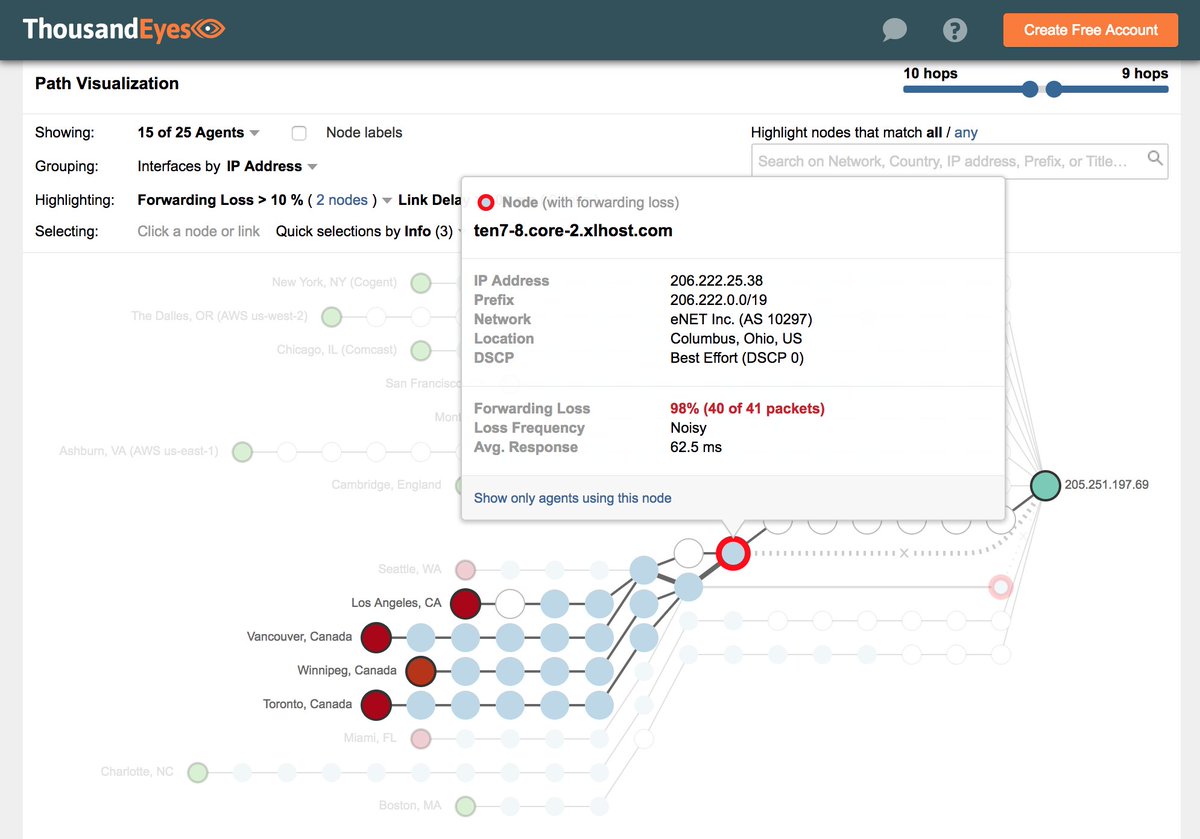
Checkout this video analysis from the team on the hijack: https://youtu.be/YXm4GJMUlP0