You're aware that those taxpayers actually got a very good deal, right? Roughly 10% return on investment, we effectively just invested public funds in good companies at cheap prices.
No, you bought after the crash. The relevant question is would you have sold an insurance policy before the crisis and been able to stay solvent through it.
I'm not saying that I bought before the crash, neither did the government. I literally did exactly what the government did; bought shares of banks and automotive companies after the crash, at severely reduced prices, and held for a substantial gain.
The government absolutely did not sell an insurance policy before the crash. Even if you're arguing that there was a guarantee that the banks would be bailed out, which argument has merit, the banks didn't pay for that guarantee.
We did it for different reasons (I won't pretend I was either magnanimous or delusional enough to think my investment by itself would buoy the stock price enough to keep the companies alive) but the actual actions are the same.
Edit: technically both the government and I bought during the crash rather than after; my ROI wishes I'd been better at calling the bottom, but that's life.
Buying stock was only a small part of what the government did for the finance industry. Guaranteeing money market funds, opening up the discount window, bailing out AIG and paying off counterparties at 100%, sinking $100B+ into Fannie and Freddie, etc.
The government had essentially given the finance industry an insurance policy before the crash that paid off during the crash. And you are right, they didn't have to pay for it in money, perhaps its possible to argue that they paid for it in regulation. If the firms had had to buy such a policy on the open market what would the price have been?
What result would have met your test for worked out? Gambling with taxpayers money is a pretty good description of the job of government (will this transportation system get used (consider Detroit's highway system)? Are we encouraging business the right way? Will this law reduce crime?)
Uncertainity about the usage of a hypothetical transportation system is qualitatively different than investing money to a company that has been mis-managed so badly it's going bankrupt.
That article is a little deceptive. It is mainly tracking TARP, it doesn't track the money injected into banks by other methods (like the FED directly buying subprime loans and manipulating the market).
I totally disagree. The Fed isn't taxpayer's money (except maybe inasmuch as its actions effect the money supply).
When people talk about "tax payer dollars" they are talking about funds the federal government has gotten directly from the people through taxes. That is exactly what TARP was.
so, military spending then, that's what i get. i ponied up actual cash which was lent to banks to cover them, but the return on those loans don't come back to me as actual cash. it goes to the federal budget, which is mostly military spending.
it would've been better if the financial sector hadn't fucked up. it would be better if the financial sector wasn't protected--with my money--when it tries to make itself a smoking ruin. it should be protecting itself.
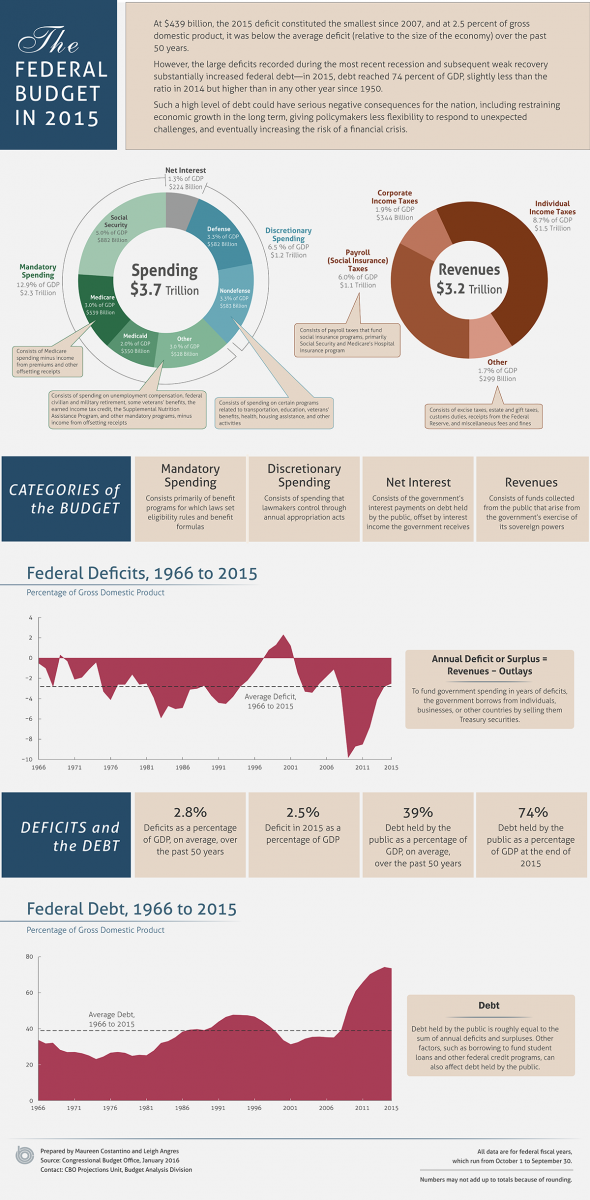
You might want to look at a pie/donut chart of government spending. Mostly you got medic{are,aid} and social security. I think most people would agree that reducing the tax payer burden of those programs without reducing benefit is an objectively good thing.
I don't disagree that the financial system should strive to be better, but during a crisis is definitely not the time to make that happen.
i know, but the subject was the return on the investment from bailing out the banks, but that return went to the federal budget, and the bailing out came out of people's pockets. it isn't comparing like for like at all.


This is euphemistic for the banks stealing money from taxpayers through crony capitalism.