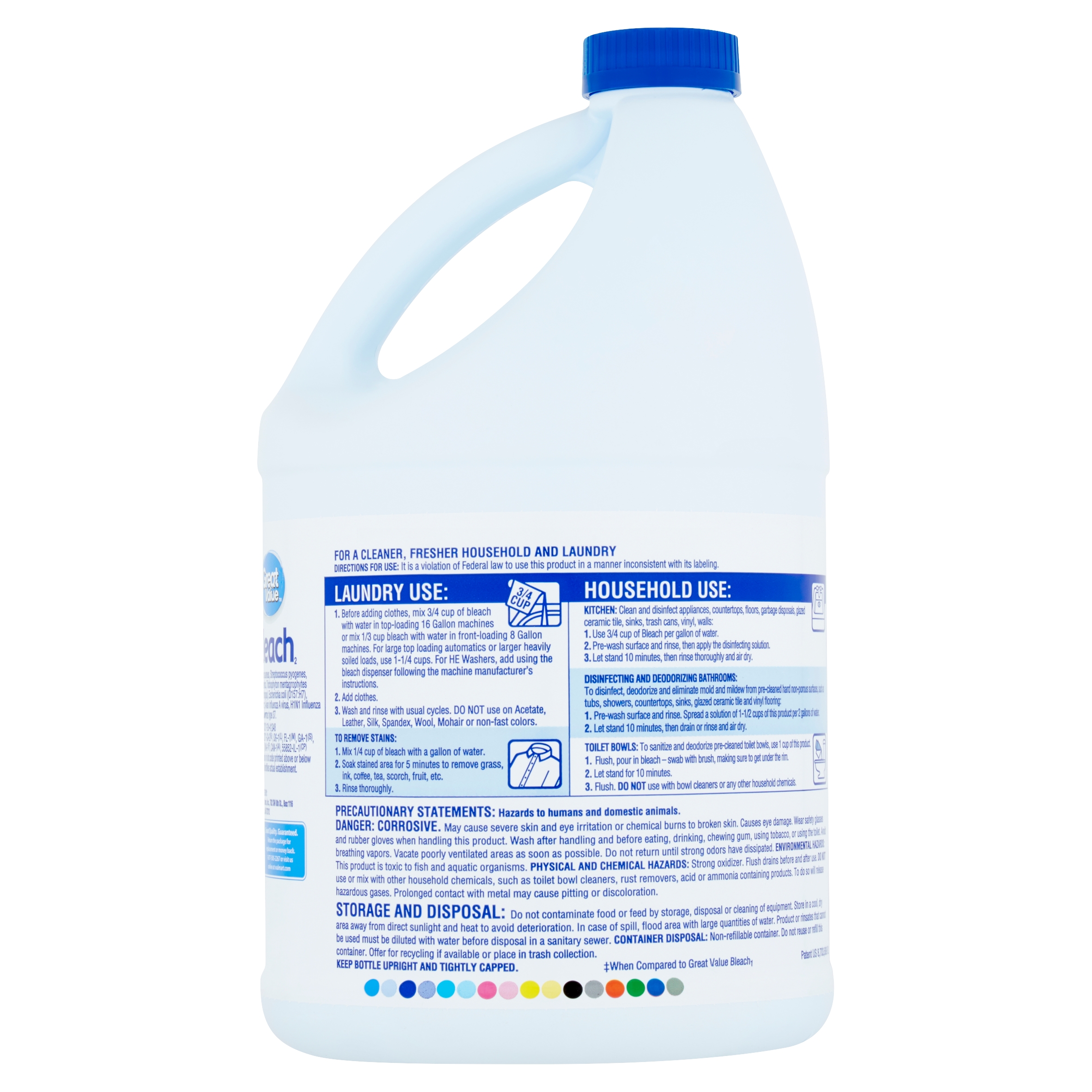
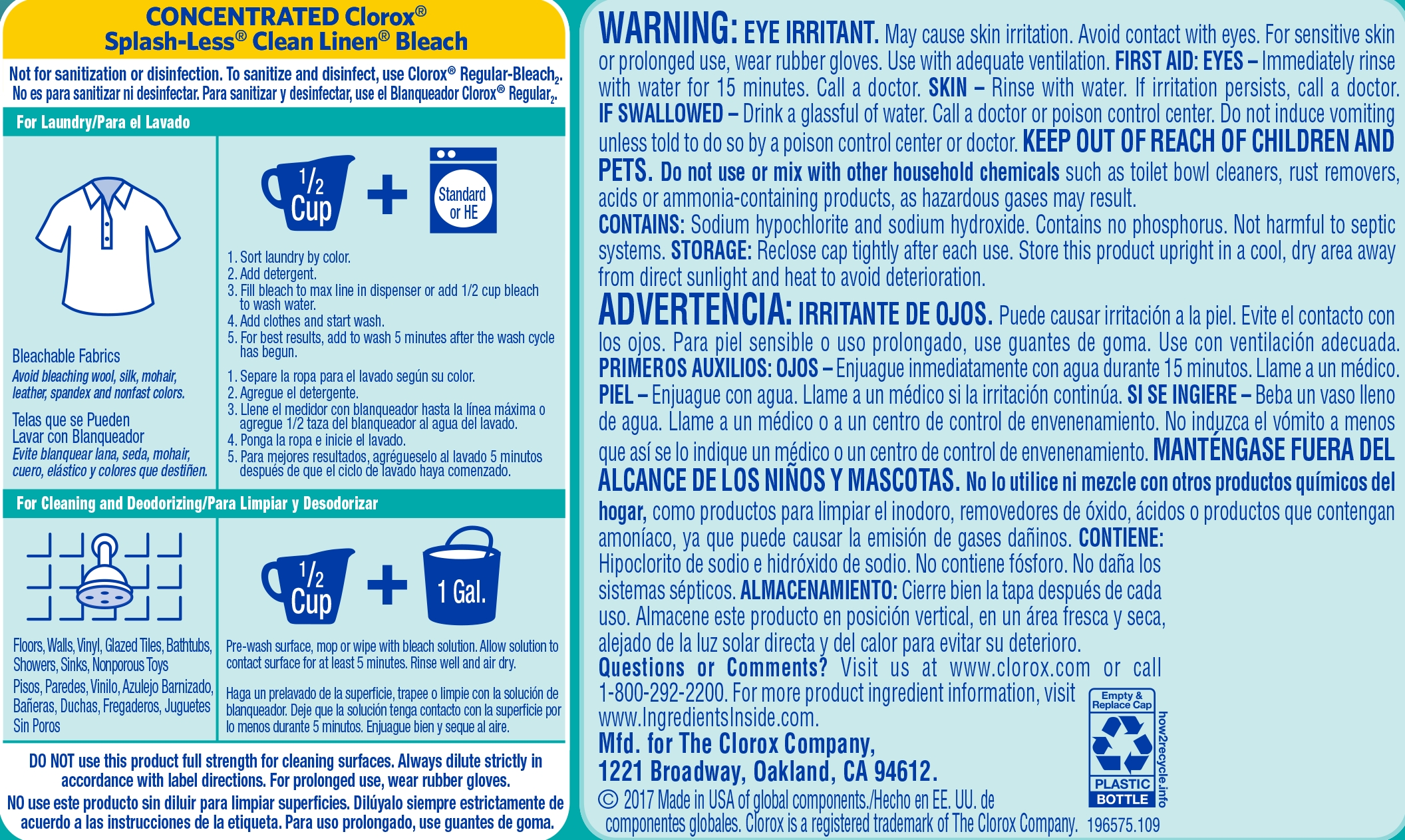
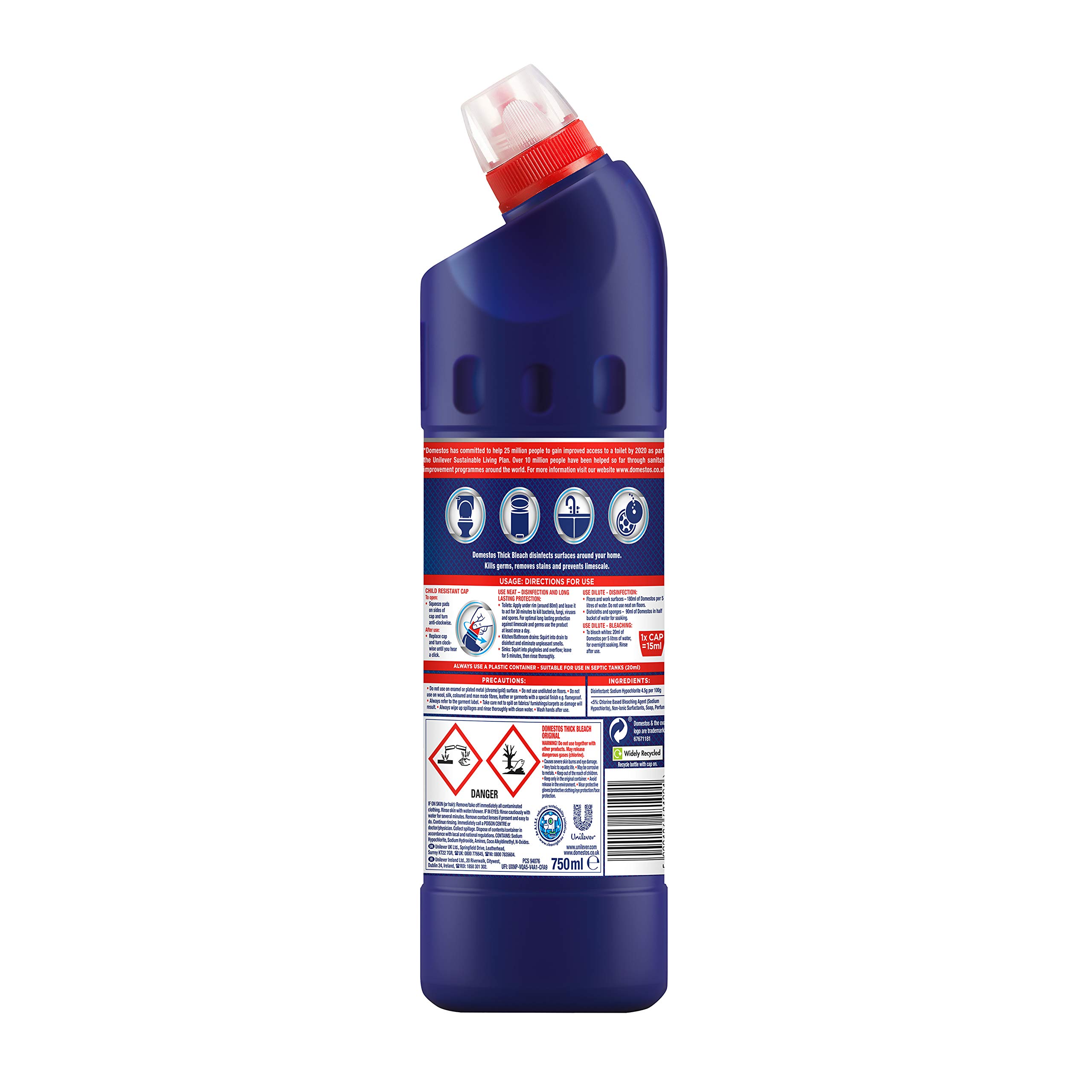
Wasn't even told that about those things in HS chemistry in my time in my country, not sure why - considered too dangerous knowledge by educators? Only found out about it on 4chan and gasped on how easily we could have accidentally injured ourselves while cleaning our dorm bathroom.
There are almost 200 pages of EU rules and guidance in the first document [bottom of 1], and some hundreds more pages in related sections of that site.
That said, the cheap-brand bleach in my cupboard has a word-for-word translation into Danish of the English text, and a consistent layout, and there's some merit in that.
The "DO NOT use or mix with other household chemicals, such as..." part should probably go on the front and a little bigger. I can't imagine that everyone would read the whole thing.
Wow, I wasn't sure if it was just me! Coincidentally that was also the same book I learned about those two being dangerous mixed together. Just curious, have you read "Go ask Alice"?
I really don't know how any chemistry can be taught without teaching metal + base reactions, or without teaching salt + acid reactions. I really really don't think your educators missed the rules that make it possible to know what happens when you mix foil with pipe cleaner or bleach with vinegar, they might've just not mentioned the very specific reactions but you failed to generalize.
They don't teach you how organic solvents often dissolve polar materials such as various polymers? I'm really becoming befuddled here, what do they teach then?
Well, my grade school science teacher was also my gym teacher (he may have held a third position). So we mostly just sang periodic table rhymes and made baking soda volcanos.
Despite what you may have heard, the average middle-American education doesn't prepare you for the hard science of the real world.