I have lingering bitterness for the irresponsible New Math experiment in my elementary education. I couldn't tell time on an analog clock until I was 12, thanks to the blithe dismissal of "rote" multiplication tasks.
Just out of interest and if it's not too personal, what's your age/generation? I'm in my mid twenties and I don't have any peers that couldn't more or less always read analog clocks as far as they remember.
edit: I just googled it and apparently New Math was during the 1950s-1970s. This confuses me even further since reading an analog clock seems even more important in those times?
I certainly learned New Math in the sixties. And neither myself nor anyone else I knew had any trouble with analog clocks which is most of what existed.
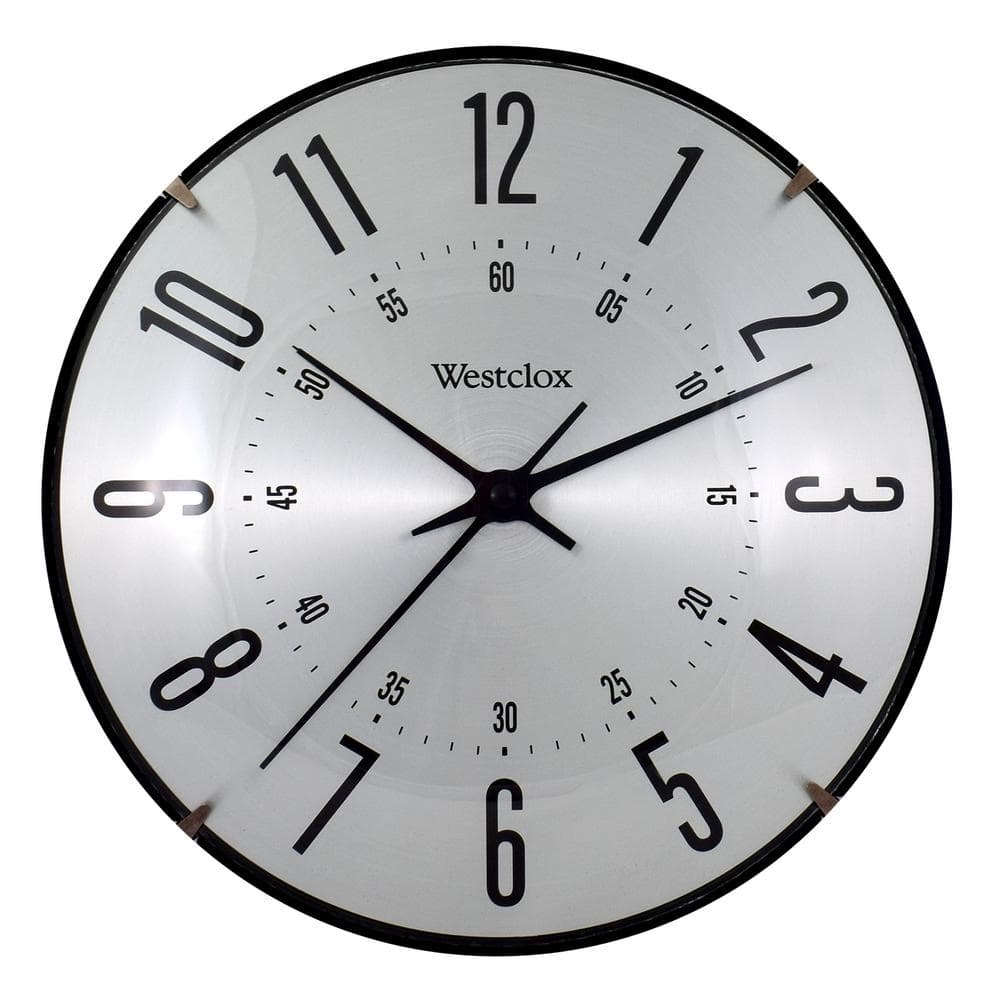
Hour 6 is also minute 30. There’s some arithmetic for you! Six times five, if you like, or six times ten divided by two if you prefer.
Many don’t have numbers at all, so you’ll need to build a good intuition for fractions and converting those to hours and minutes if you want to read them fast. Most of us do it so automatically we don’t notice, but some of that’s plausibly fraction multiplication.
No, the usual case, where the minutes aren't printed on the clock itself, is that you've memorized the positions of :00, :15, :30, and :45, and you report the time by reference to that.