Maybe someone can correct me if I'm wrong, but I recall reading somewhere that single use plastic bags are so cheap from production to destruction that they still make more environmental sense than totes and the like. Yes, the cotton bags last way longer, but the amount of water and energy spent to produce one is so much larger that you'd need to keep using one bag for decades just to break even. This is all paraphrasing from memory, perhaps someone else has a better recollection or a reference for this? For me, the main takeaway is not to religiously switch to reusable bags, but just use whatever you have handy and not shun away one over the other.
The way I have always understood it, the main issue with plastic bags is that they are very difficult to recycle and they do not break down easily, so they end up polluting the environment.
As for the "amount of water and energy spent" to produce them, yes, that is tiny compared to something like a tote bag (and for most commodities, production cost usually tracks closely with resource use). But in a sense, that is actually part of the problem: they are so cheap and resource-light to make that they get treated as disposable, and their environmental cost shows up later in waste and pollution rather than up front in production.
Generally speaking, when I was younger (say, 20 years ago), discussions about environmental impact were almost entirely framed around pollution (what ends up in the soil, air, or water), not around the energy footprint of making things. It's interesting how it changes nowadays.
I have two "bag for life" bags from Marks & Spencers in the UK that are no longer sold, which is a shame, because they pack up into a tiny little pouch that can go in a jeans pocket; ideal for a guy who doesn't carry a shoulder bag all the time.
They are 15 years old (at least) and were made from some sort of recycled nylon, I think. I've probably used them for a thousand shopping trips, and as I shop on foot, all of those journeys have involved carrying said shopping about half a mile.
I don't know how long it took me to fully switch over (i.e. remember to pack it each time I left). I am easily distracted, so maybe it took the first 50.
But this is of the order of two thousand single use plastic bags not used. I refuse to believe the manufacture of this bag didn't break even by 250 single-use bags.
I reckon they will last another couple of years at least (one of them is kind of worn; I balance my shopping weight a bit better now).
Won't last as long as my wallet, which is forty this year, or my shoulder bag, which is 25 next year.
   Single-use plastic bags, while a substantial source of litter, have a surprisingly small carbon footprint due to their manufacturing process, light weight and inert material not releasing methane into the environment.

   A 2018 study by the Ministry of Environment and Food in Denmark suggests that an organic cotton tote needs to be used 20,000 times to offset its overall environmental impact of production.
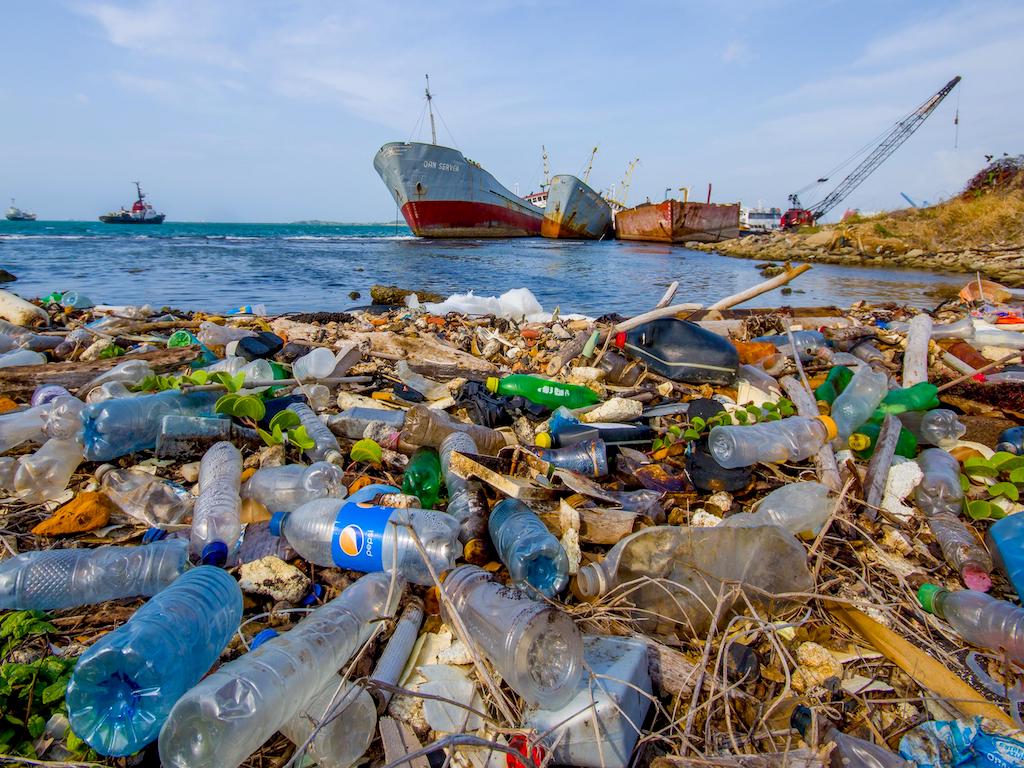
Only if people used and disposed single use bags responsibly. Plastic bags flying in the wind and littering environment is a common sight in any country where they are used (amount can vary but plastic litter free countries are rare if exist).
Also cotton is not the only material for reusable bags (but probably among the most durable).
I'm not sure if this is true though? Granted I live in Europe where topics like these get a lot of attention, but I can't recall when I last saw a plastic bag drifting about, both home and abroad.
In most of Europe, single use bags are outlawed for white a long time already.
In my experience, to see how bad this can be, these days you need to go to Asia or Africa. Anecdotally, there is a lot less rubbish in Europe than there used to be.
This. If anything it's all the other stuff that forms the bulk of the litter. Plastic drink containers, fast food packaging, etc. I can't remember the last time I saw a plastic bag. And I live somewhere that thankfully avoided that fad.
> single use plastic bags [...] still make more environmental sense
As far as I understand, part of the problem was that they kept ending up in the nature rather than into an incinerator, while reusable bags usually are properly disposed when not needed any more.
AFAIK this is all based on hearsay. I rarely if ever have seen thin plastic bags "in nature", no one is chucking them out a moving car window.
Anyone who litters single-use bags is also littering other trash elsewhere, most people can be trusted to place them in a responsible place for rubbish.
The Great Pacific Garbage Patch (which is often cited in defense of bag bans) is mostly Chinese trash.
Grocery bag bans are a feel-good distraction that makes no measurable environmental impact.
"Reusable" bags also have some fewer use cases for reuse; for example truck drivers are known to poop in the single use bags. Can't do that in a reusable bag.
Yeah I think the amount of reusable totes most people have would probably be worth lifetime of plastic bags. But on the other hand it's a bunch of plastic bags not in the enviroment, I'm not even talking about the ocean or our shared global commons (dolphin tear), but cities feel slightly nicer without random plastic bags everywhere.
Aa with most environmental question it is always a question about what to count and how to value it.
E.g. when a plastic bag is slowly mechanically ground into microplastic by the wind, weather and UV radiation how much would it cost to collect the microplastic from that single bag and remove it from the environment?
Depending on how you go about this the number can range from zero (we don't care) to cents (some effort to remove microplastics, juet not by that specific bag) to astronomical numbers if you really try to retriebe every particle — an endeavour where the cleanup would probably be worse for the environment than just leaving it there. If you want to get a grasp of how that would look like read about various cleanups thar happend after nuclear accidents.
The thing is, that there is no "correct" number here. It depends on what you want to do. If you are a oil company, saying microplastics are an non-issue and consumers have to be responsible is probably the best route.
Now there are no fully conclusive results on the long term effects of microplastics on humans yet, but we have good evidence it is harmful for ecosystems. Now again you can ask the question how much is an ecosystem worth? How much do we want to spend to keep them clean? What about accumlative effects? We have been using plastics only for a century max and if we add them to the environment, but never remove them, what will that do?
That aspect of microparticles is a problem that is much more controllable with textile tote bags, especially if they are made from hemp, cotton or similar natural fibers that decompose faster in the environment. We could take the risk and use some favourable numbers for plastics, but we could also just play it safe.
Additionally if you use three tote bags for 30 years, like my grandmother, how would the equivalent mass in single use plastic bags look like? Let's do the math: 5g is the weight of an average plastic bag, if you only used those for every purchase you would probably use like 400 a year, or 2kg plastics. Multiply by the thirty year period and you get 60 kg of waste plastics versus maybe 1kg of textile for the tote bags (that are still working tote bags if you treat them right and sew them if broken).
The question is how much microplastic has been produced for farming the cotton and turning it into a bag? These problems are impossible for consumers to analyze.
The real value is probably in the fact that the non single use bags have actual value. As a result they're not thrown away so easily.
IIRC the real reason for phasing out single use plastic is the pollution problem and us not having a good way of reusing the fibers as it's just not economically viable. For other fibers that is less of a problem.
So, if you're replacing a single use plastic bag with a heavy duty plastic bag that gets thrown out after a small number of uses... Yeah that might be worse
But many of the bags that passed the testing there are tougher plastic bags. Which are presumably also pretty cheap to manufacture, just not quite as cheap.
My local grocery store discontinued the use of plastic bags entirely. They now do a tidy trade in reusable bags at $1 a pop. Many of which are used only once.
Why are environmentalists generally mocked, while "counter-environmentalists" who complain about birds getting killed by windmills, the nasty chemicals in solar panels or EV batteries, or the extreme environmental cost of cotton tote bags(!) not greeted similarly?
My theory is that everyone knows they are lying and don't care about the environment and just want to attack the real environmentalists.
People point out that he's factually wrong but no one would argue that Trump is sacrificing green energy jobs and cheap clean energy for birds, because no one believes he actually cares in the first place.
They're not counter environmentalists. They're just a different brand of environmentalist that prioritize local flora and fauna over global carbon/plastic/etc.
When they say stupid things, I make fun of them too. You just don't notice because your specific variant of lunacy isn't being ridiculed.
There's a balance to be struck here. As far as I'm concerned people who think we oughta destroy unique ecology to slap up a solar farm can share the same hole as the people who think the impact on pest-tier animal populations is justification for not slapping up the solar farm.